
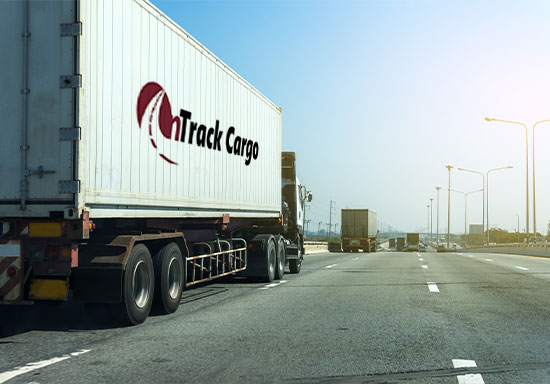
Surface Shipping is a logistics service wherein the shipments are sent through land. It is less expensive but slower than air shipping. Surface shipping is especially preferred for large or heavy deliveries or for sending dangerous goods that are prohibited through the air.
However, surface cargo is the most common shipping mode most online sellers use. Surface cargo is a prevalent mode of transportation and is the best option to ship causation / dangerous products otherwise prohibited through the air. Surface cargo is supplying / shipping goods through the land, i.e., land, railways, etc.
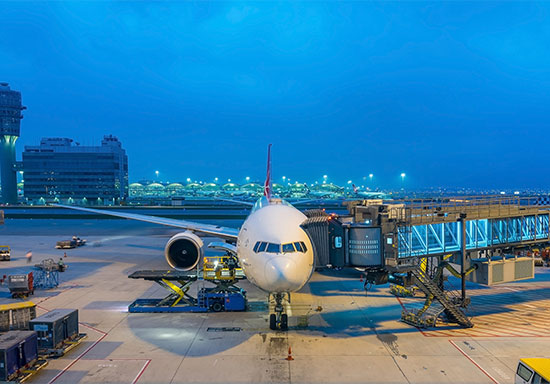
Air freight can be defined as products and goods (cargo) that are shipped by aircraft. Options for modes of air freight include passenger aircraft, the cargo hold of a passenger aircraft or a commercial cargo aircraft. Coordinate all Air Import / Export Freight activities. This may include quotations, bookings, documentation, data entry, shipment tracking and tracing, and billing. Issue airway bills and invoice clients and agents, as well as organising documentation and shipping records accurately in a timely manner.
Urgent materials such as radiopharmaceuticals for medical diagnosis or treatment or high-value goods such as technological products and high-value commodities are typically shipped by air cargo.
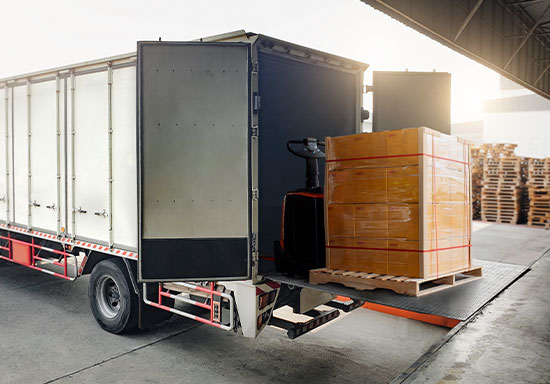
FTL stands for full truckload shipping. Normally a shipper will choose this method of shipping if the goods he needs to transport will take up the entire space of a truck. Full truckload services are especially recommended if the shipper has more than ten pallets to ship.
FTL shipping is commonly used for large shipments that require taking up the entire truck, or at least close to it.
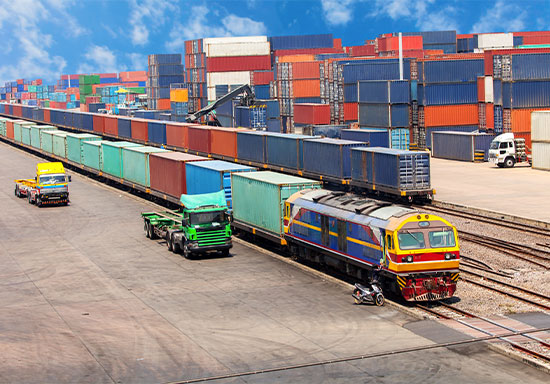
A freight train, cargo train, or goods train is a group of freight cars (US) or goods wagons (International Union of Railways) hauled by one or more locomotives on a railway, transporting cargo all or some of the way between the shipper and the intended destination as part of the logistics chain. Trains may haul bulk material, intermodal containers, general freight or specialized freight in purpose-designed cars. Rail freight practices and economics vary by country and region.
Rail freight uses trains to transport goods from one location to another by railway. Some of the goods transported by rail include automotive, forest products, and raw construction materials, among others. Heavy freight such as coal, lumber, ore, and heavy freight going long distances are likely to travel by rail or some combination of truck, rail, and water.